

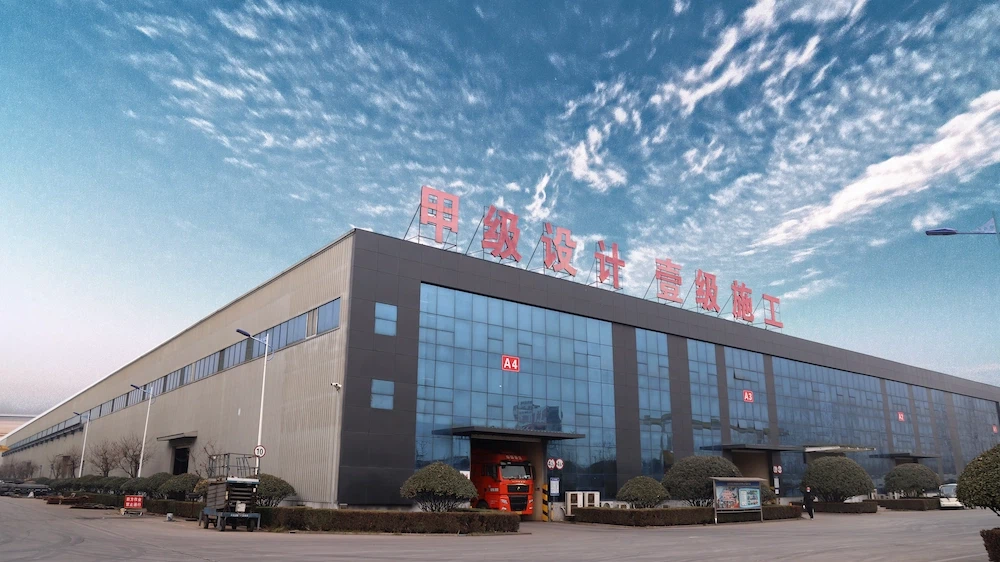


In the realm of modern infrastructure development, prefabricated box girders have emerged as a popular choice for bridge construction projects. As a supplier of prefabricated box girders, I often find myself discussing the environmental implications of these structures with clients and industry peers. The question of whether prefabricated box girders are environmentally friendly is a complex one, encompassing various aspects of their production, transportation, and long - term use. In this blog, I will delve into these factors to provide a comprehensive analysis.
1. Production Process and Environmental Impact
The production of prefabricated box girders takes place in a controlled factory environment. This offers several environmental advantages. Firstly, compared to on - site casting, factory production allows for more precise control over the use of raw materials. In a factory, the mixing of concrete can be optimized to ensure that the exact amount of cement, aggregates, and water is used. Cement production is a major contributor to carbon dioxide emissions, accounting for about 8% of global CO₂ emissions according to the International Energy Agency. By minimizing the over - use of cement through accurate batching, we can significantly reduce the carbon footprint associated with prefabricated box girder production.
Secondly, the factory environment enables better waste management. Construction waste generated during the production process, such as excess concrete, scrap steel, and packaging materials, can be more easily collected, sorted, and recycled. For example, scrap steel can be sent to recycling facilities to be melted down and reused in new steel products. This not only reduces the demand for virgin raw materials but also decreases the amount of waste sent to landfills.
However, the production of prefabricated box girders also has some environmental drawbacks. The energy consumption in a factory is relatively high, especially for processes like concrete curing. High - energy - consuming equipment such as mixers, cranes, and heating systems are used throughout the production process. To mitigate this, many modern prefabrication plants are increasingly adopting renewable energy sources such as solar panels and wind turbines to power their operations. Additionally, energy - efficient technologies are being implemented to reduce overall energy consumption. For more information on the equipment used in precast box girder production, you can visit Precast Box Girder Formwork.
2. Transportation Considerations
Once the prefabricated box girders are produced, they need to be transported to the construction site. This transportation phase can have a significant environmental impact. Large trucks or specialized transport vehicles are typically used to move these heavy and bulky structures, which consume a substantial amount of fossil fuels and emit greenhouse gases. The longer the transportation distance, the greater the environmental impact.
To address this issue, suppliers often try to locate their prefabrication plants as close as possible to the construction sites. This reduces the transportation distance and, consequently, the fuel consumption and emissions. Another approach is to use more fuel - efficient vehicles or explore alternative transportation methods. For example, in some cases, waterways can be used for transporting prefabricated box girders if the construction site is near a river or a coastal area. Barges are generally more fuel - efficient than trucks for long - distance transportation of heavy goods.
Moreover, the use of advanced logistics planning and route optimization software can help minimize the number of trips and the total distance traveled. This not only saves fuel but also reduces traffic congestion and associated air pollution in the surrounding areas.
3. On - Site Construction and Environmental Benefits
When it comes to on - site construction, prefabricated box girders offer several environmental advantages. The installation process of prefabricated box girders is generally faster compared to traditional on - site casting methods. This means that the construction site has a shorter construction period, which reduces the overall disruption to the surrounding environment and local communities.
During the installation, less noise and dust are generated. Traditional on - site concrete casting often involves continuous pouring, vibrating, and curing processes, which can be very noisy and generate a large amount of dust. In contrast, the installation of prefabricated box girders mainly involves lifting and positioning operations, which are relatively quiet and produce less dust. This is beneficial for the health and well - being of nearby residents and wildlife.
In addition, the use of prefabricated box girders requires less on - site space for material storage and concrete mixing. This reduces the need for land clearance and soil disturbance at the construction site, which helps to preserve the natural ecosystem and prevent soil erosion. For the equipment used in the installation process, such as Launching Gantry, it plays a crucial role in ensuring a smooth and efficient installation.
4. Long - Term Environmental Performance
Over the long term, prefabricated box girders can have a positive environmental impact. These structures are designed to have a long service life, which means that they do not need to be replaced frequently. This reduces the demand for new construction materials and the associated environmental impact of new construction projects.
Furthermore, prefabricated box girders can be designed to be more durable and resistant to environmental factors such as corrosion, weathering, and seismic activity. This reduces the need for frequent maintenance and repair, which in turn saves resources and energy. For example, using high - quality steel reinforcement and protective coatings can significantly extend the lifespan of the box girders and reduce the need for costly and resource - intensive maintenance operations.

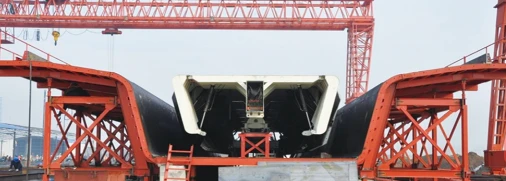
In some cases, prefabricated box girders can also be designed to incorporate sustainable features. For example, they can be used as part of a green infrastructure project, such as a bridge that includes rainwater harvesting systems or solar panels for energy generation. This further enhances their environmental performance.
5. Comparison with Traditional Construction Methods
When comparing prefabricated box girders with traditional on - site cast concrete girders, the environmental advantages of prefabrication become more apparent. Traditional on - site casting methods often result in more waste, higher energy consumption, and longer construction periods. The on - site mixing of concrete requires a large amount of water, and the lack of precise control can lead to over - use of cement and other materials.
In addition, the on - site curing process is often less efficient, as it is affected by weather conditions. This can result in longer curing times and higher energy consumption to maintain the appropriate temperature and humidity. On the other hand, prefabricated box girders are produced in a controlled environment, which allows for better quality control and more efficient use of resources.
6. Conclusion and Call to Action
In conclusion, prefabricated box girders have both environmental benefits and challenges. While there are issues related to energy consumption during production and transportation, the overall environmental performance of prefabricated box girders is relatively positive, especially when considering their long - term durability, reduced on - site disruption, and efficient use of resources.
As a supplier of prefabricated box girders, we are committed to continuously improving the environmental performance of our products. We are constantly exploring new technologies and methods to reduce energy consumption, minimize waste, and optimize transportation.
If you are involved in a bridge construction project and are considering using prefabricated box girders, we invite you to contact us for a detailed discussion. Our team of experts can provide you with more information about our products, their environmental performance, and how they can meet your specific project requirements. Whether you need a small - scale bridge or a large - scale infrastructure project, we have the experience and resources to deliver high - quality prefabricated box girders. Let's work together to build a more sustainable future with prefabricated box girders.
References
- International Energy Agency. (2020). Cement Technology Roadmap: Low - Carbon Transition in the Cement Industry.
- Various industry reports on prefabricated construction and environmental impact assessment.