

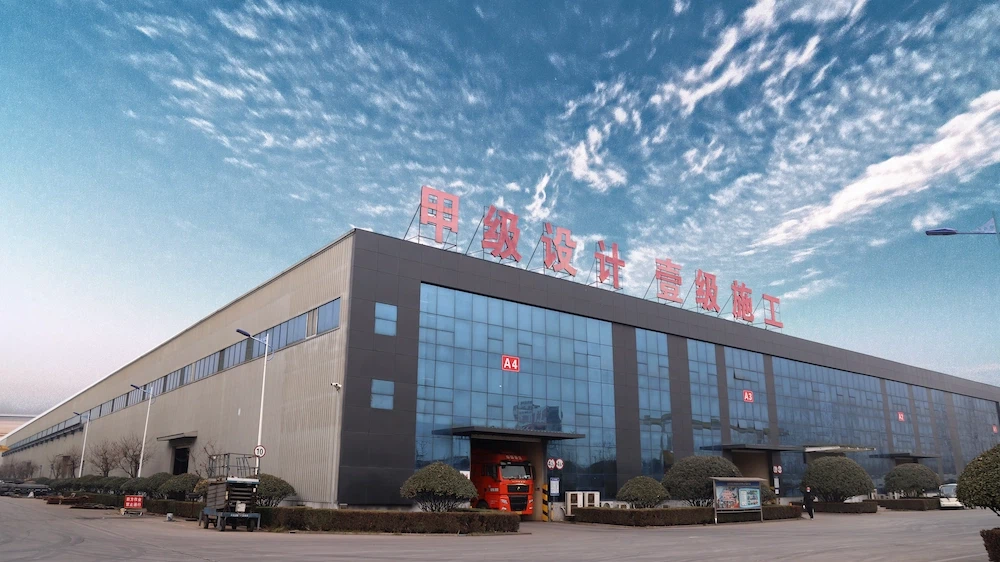


In the realm of construction and engineering, trusses play a pivotal role in providing structural support and stability. Among the various types of trusses available, pipe trusses stand out as a unique and specialized option. As a pipe truss supplier, I am often asked about the differences between pipe trusses and regular trusses. In this blog post, I will delve into the key distinctions between these two types of trusses, exploring their design, materials, applications, and advantages.
Design and Structure
One of the primary differences between pipe trusses and regular trusses lies in their design and structure. Regular trusses, also known as open-web trusses, typically consist of straight members connected at joints to form a triangular pattern. These members are usually made of wood, steel, or aluminum and are arranged in a way that distributes the load evenly across the structure.
On the other hand, pipe trusses are constructed using tubular steel pipes as the main members. These pipes are welded or bolted together to form a rigid framework, providing excellent strength and stability. The use of pipes allows for a more streamlined and efficient design, as the circular shape of the pipes distributes stress more evenly than traditional open-web trusses.
Another notable difference in design is the appearance of the two types of trusses. Regular trusses often have a more open and exposed look, with the individual members visible. Pipe trusses, on the other hand, have a more sleek and modern appearance, with the pipes creating a smooth and continuous surface. This makes pipe trusses a popular choice for architectural applications where aesthetics are important.
Materials and Manufacturing
The materials used in the construction of pipe trusses and regular trusses also differ significantly. Regular trusses can be made from a variety of materials, including wood, steel, and aluminum. Wood trusses are commonly used in residential construction due to their affordability and ease of installation. Steel trusses, on the other hand, are more commonly used in commercial and industrial applications due to their high strength and durability.
Pipe trusses, as the name suggests, are primarily made from steel pipes. These pipes are typically made from high-strength steel alloys, which provide excellent resistance to corrosion and structural damage. The use of steel pipes also allows for a more precise and consistent manufacturing process, resulting in trusses that are more accurate and reliable.
In terms of manufacturing, regular trusses are often prefabricated in a factory and then transported to the construction site for installation. This allows for greater efficiency and quality control, as the trusses can be manufactured under controlled conditions. Pipe trusses, on the other hand, can be either prefabricated or fabricated on-site, depending on the specific requirements of the project. Prefabricated pipe trusses are typically more cost-effective and faster to install, while on-site fabrication allows for greater flexibility and customization.
Applications and Uses
The applications and uses of pipe trusses and regular trusses also vary depending on their design, materials, and strength. Regular trusses are commonly used in a wide range of construction projects, including residential homes, commercial buildings, and industrial facilities. They are particularly well-suited for applications where long spans and high loads need to be supported, such as in the construction of bridges and warehouses.
Pipe trusses, on the other hand, are often used in more specialized applications where their unique properties are required. One of the most common applications of pipe trusses is in the construction of sports arenas and stadiums. The high strength and stability of pipe trusses make them ideal for supporting the large roofs and structures required in these types of buildings. Pipe trusses are also commonly used in the construction of exhibition halls, convention centers, and other large-scale event venues.
In addition to their use in large-scale construction projects, pipe trusses are also used in a variety of other applications, such as in the installation of lighting and sound systems, the construction of stage sets, and the support of signage and advertising structures. The versatility and flexibility of pipe trusses make them a popular choice for these types of applications, as they can be easily customized to meet the specific requirements of the project.
Advantages of Pipe Trusses
As a pipe truss supplier, I am often asked about the advantages of using pipe trusses over regular trusses. There are several key advantages to using pipe trusses in construction projects, including:


- High Strength and Stability: Pipe trusses are designed to provide excellent strength and stability, making them ideal for supporting large loads and long spans. The use of steel pipes allows for a more efficient distribution of stress, resulting in trusses that are more resistant to structural damage.
- Corrosion Resistance: Steel pipes are highly resistant to corrosion, making pipe trusses a durable and long-lasting option for outdoor applications. This is particularly important in coastal areas or other environments where corrosion is a concern.
- Aesthetic Appeal: Pipe trusses have a sleek and modern appearance that can enhance the aesthetic appeal of a building or structure. The smooth and continuous surface of the pipes creates a clean and professional look that is often preferred in architectural applications.
- Versatility and Flexibility: Pipe trusses can be easily customized to meet the specific requirements of a project. They can be fabricated in a variety of shapes and sizes, and can be used in a wide range of applications, from small-scale residential projects to large-scale commercial and industrial buildings.
- Cost-Effective: While the initial cost of pipe trusses may be higher than that of regular trusses, the long-term cost savings can be significant. The durability and low maintenance requirements of pipe trusses mean that they can provide a cost-effective solution over the life of a project.
Examples of Pipe Truss Projects
To illustrate the versatility and effectiveness of pipe trusses, I would like to share a few examples of recent projects that I have been involved in.
One of the most notable projects was the New Sports School Comprehensive Training Hall Steel Structure Project. This project involved the construction of a large sports training hall with a complex roof structure. The use of pipe trusses allowed for a more efficient and cost-effective design, while also providing the necessary strength and stability to support the large roof. The sleek and modern appearance of the pipe trusses also enhanced the aesthetic appeal of the building, making it a popular destination for sports enthusiasts.
Another project that I am particularly proud of is the Shaped Steel Truss project. This project involved the design and fabrication of a custom-shaped steel truss for a unique architectural application. The use of pipe trusses allowed for a more precise and accurate design, while also providing the necessary strength and stability to support the structure. The final result was a stunning and innovative building that showcased the versatility and flexibility of pipe trusses.
Finally, I would like to mention the Square Tube Truss project. This project involved the installation of a square tube truss system for a large-scale exhibition hall. The use of square tube trusses allowed for a more efficient and cost-effective design, while also providing the necessary strength and stability to support the large roof. The smooth and continuous surface of the square tube trusses also created a clean and professional look that was ideal for the exhibition environment.
Conclusion
In conclusion, pipe trusses and regular trusses are two distinct types of structural elements that offer different advantages and applications. While regular trusses are a versatile and cost-effective option for many construction projects, pipe trusses provide unique benefits in terms of strength, stability, corrosion resistance, and aesthetic appeal. As a pipe truss supplier, I am committed to providing high-quality products and services that meet the specific needs of my clients. If you are considering using pipe trusses in your next construction project, I encourage you to contact me to discuss your requirements and learn more about the benefits of pipe trusses.
References
- "Truss Design and Analysis." Structural Engineering Handbook, edited by William F. Chen and Bruce E. Huber, CRC Press, 2002.
- "Steel Pipe Trusses: Design and Construction." American Institute of Steel Construction, 2010.
- "Pipe Truss Structures: A Review." Journal of Constructional Steel Research, vol. 64, no. 11, 2008, pp. 1313-1322.