



As a steel bridge supplier, I've had the privilege of being involved in numerous bridge construction projects. The process of constructing a steel bridge is a complex and fascinating endeavor that combines engineering expertise, advanced technology, and meticulous planning. In this blog, I'll take you through the step-by-step process of building a steel bridge, from the initial design phase to the final installation.
Planning and Design
The first step in constructing a steel bridge is the planning and design phase. This involves a team of engineers, architects, and designers working together to create a detailed plan for the bridge. The design process takes into account a variety of factors, including the location of the bridge, the expected traffic load, the environmental conditions, and the budget.
One of the key considerations in the design phase is the type of steel bridge to be used. There are several different types of steel bridges, each with its own unique characteristics and advantages. Some of the most common types of steel bridges include Steel Truss Bridge, Steel Box Girder Bridge, and cable-stayed bridges.


Once the type of bridge has been selected, the design team will create detailed drawings and specifications for the bridge. These drawings will include information on the dimensions, materials, and construction methods to be used. The design team will also conduct a structural analysis to ensure that the bridge is safe and able to withstand the expected loads.
Material Procurement
After the design phase is complete, the next step is to procure the materials needed for the bridge construction. As a steel bridge supplier, we are responsible for sourcing high-quality steel and other materials from reputable suppliers. The steel used in bridge construction must meet strict quality standards to ensure the safety and durability of the bridge.
In addition to steel, other materials that may be used in bridge construction include concrete, asphalt, and various types of fasteners and connectors. The procurement process involves working closely with suppliers to ensure that the materials are delivered on time and meet the required specifications.
Fabrication
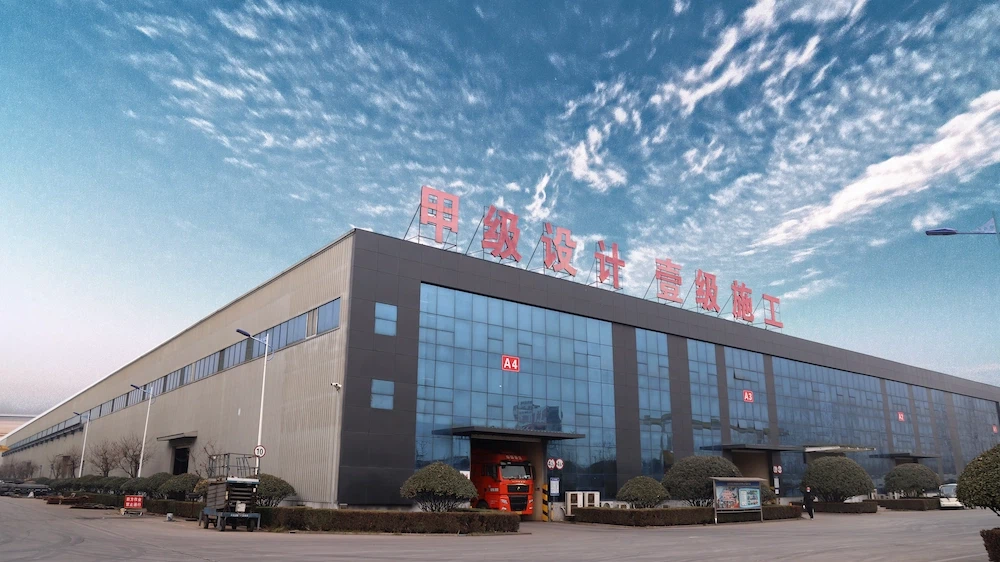
Once the materials have been procured, the next step is to fabricate the steel components of the bridge. This involves cutting, shaping, and welding the steel into the required shapes and sizes. The fabrication process is typically carried out in a factory or fabrication shop using advanced machinery and equipment.
At our fabrication facility, we have a team of skilled welders and fabricators who are experienced in working with steel. We use state-of-the-art technology and equipment to ensure that the steel components are fabricated to the highest standards of quality. The fabrication process is closely monitored to ensure that the components meet the design specifications and are free from defects.
Transportation and Erection
After the steel components have been fabricated, they are transported to the construction site. The transportation process involves careful planning and coordination to ensure that the components are delivered safely and on time. The components are typically transported by truck or rail, depending on the size and weight of the components.
Once the components have been delivered to the construction site, the next step is to erect the bridge. This involves assembling the steel components on-site using cranes and other heavy equipment. The erection process is a complex and challenging task that requires careful planning and coordination.
The erection process typically begins with the installation of the bridge piers and abutments. These are the foundations that support the weight of the bridge. Once the piers and abutments are in place, the steel components are assembled on top of them. The components are connected using bolts, welds, or other types of fasteners.
Finishing and Testing
After the bridge has been erected, the next step is to finish the bridge and conduct testing to ensure that it is safe and functional. The finishing process may include painting the bridge to protect it from corrosion, installing guardrails and other safety features, and applying a surface coating to the bridge deck.
Once the finishing work is complete, the bridge is tested to ensure that it meets the design specifications and is safe for use. The testing process may include load testing, vibration testing, and other types of tests to ensure that the bridge is able to withstand the expected loads and environmental conditions.
Maintenance and Inspection
Once the bridge is in service, it is important to conduct regular maintenance and inspection to ensure that it remains safe and functional. As a steel bridge supplier, we offer a range of maintenance and inspection services to help our customers keep their bridges in good condition.
The maintenance process may include cleaning the bridge, inspecting the steel components for signs of corrosion or damage, and replacing any worn or damaged parts. The inspection process is typically carried out by a team of qualified engineers and inspectors who use advanced technology and equipment to detect any potential problems.
Conclusion
In conclusion, the process of constructing a steel bridge is a complex and challenging endeavor that requires a high level of expertise and experience. As a steel bridge supplier, we are committed to providing our customers with high-quality steel bridges that are safe, durable, and aesthetically pleasing.
If you are interested in learning more about our steel bridge products and services, or if you have a project that requires a steel bridge, please don't hesitate to contact us. We would be happy to discuss your project with you and provide you with a free quote.
References
- "Bridge Engineering Handbook" by Wei Wu and Jian Cao
- "Steel Bridge Design Handbook" by Michael S. Nowak and John W. Fisher
- "Construction Management for Engineers" by Peter W. G. Morris and J. G. Hough