




As a prefabricated box girder supplier, I've encountered various common defects in prefabricated box girders over the years. These defects can affect the structural integrity, durability, and aesthetic appearance of the girders. In this blog, I'll share some effective ways to repair these common defects, ensuring that the prefabricated box girders meet the required standards and specifications.
1. Surface Cracks
Surface cracks are one of the most common defects in prefabricated box girders. They can be caused by a variety of factors, such as shrinkage during the curing process, temperature changes, and improper handling.
Inspection
The first step in repairing surface cracks is to conduct a thorough inspection. Use a magnifying glass or a crack width measuring device to determine the width, length, and depth of the cracks. This information will help you decide on the appropriate repair method.
Repair Methods
- Epoxy Injection: For cracks with a width of more than 0.15 mm, epoxy injection is a commonly used method. First, clean the crack surface to remove any dirt, dust, or loose particles. Then, use a syringe or a pressure injection device to inject the epoxy resin into the crack. The epoxy resin will fill the crack and bond the two sides together, restoring the structural integrity of the girder.
- Surface Sealing: For very fine cracks (less than 0.15 mm), surface sealing can be an effective solution. Apply a high - quality crack sealer to the surface of the crack. The sealer will prevent water and other corrosive substances from entering the crack, reducing the risk of further deterioration.
2. Honeycombing
Honeycombing refers to the presence of voids or cavities in the concrete of the prefabricated box girder. It is usually caused by improper vibration during the concrete pouring process, resulting in poor compaction.
Inspection
Visually inspect the surface of the girder to identify areas of honeycombing. Use a hammer to tap the surface gently. If there is a hollow sound, it may indicate the presence of honeycombing inside the concrete.
Repair Methods
- Chipping and Patching: First, chip away the loose and damaged concrete in the honeycombed area until sound concrete is exposed. Clean the area thoroughly to remove any debris. Then, apply a bonding agent to the cleaned surface. Finally, fill the void with a high - strength concrete repair mortar. Compact the mortar well to ensure good bonding with the existing concrete.
- Shotcreting: In some cases, especially when the honeycombing area is large, shotcreting can be used. Shotcreting involves spraying a mixture of concrete and additives onto the damaged area at high speed. The high - velocity impact of the shotcrete ensures good compaction and bonding with the existing structure.
3. Delamination
Delamination occurs when the concrete layers in the prefabricated box girder separate from each other. It can be caused by factors such as improper curing, the presence of moisture between the layers, or the use of low - quality concrete.
Inspection
Non - destructive testing methods, such as ultrasonic testing, can be used to detect delamination. Ultrasonic waves are sent through the concrete, and any changes in the wave pattern can indicate the presence of delamination.

Repair Methods
- Drilling and Grouting: Drill holes into the delaminated area at regular intervals. Inject a suitable grout material, such as epoxy grout or cement - based grout, into the holes under pressure. The grout will fill the voids between the delaminated layers and bond them together.
- External Reinforcement: In severe cases, external reinforcement can be used in combination with grouting. Install steel plates or carbon fiber sheets on the surface of the girder to provide additional strength and prevent further delamination.
4. Spalling
Spalling is the breaking away of small pieces of concrete from the surface of the prefabricated box girder. It is often caused by corrosion of the reinforcement bars, freeze - thaw cycles, or chemical attacks.
Inspection
Inspect the surface of the girder for signs of spalling, such as loose or flaking concrete. Check the exposed reinforcement bars for signs of corrosion.
Repair Methods
- Removal and Replacement: Remove the spalled concrete using a chisel or a jackhammer. Clean the area and treat the corroded reinforcement bars with a rust inhibitor. Then, replace the removed concrete with a suitable repair material, such as a polymer - modified concrete.
- Protective Coatings: Apply a protective coating to the repaired surface to prevent future spalling. The coating can provide a barrier against moisture, chemicals, and other environmental factors.
Tools and Equipment for Repair
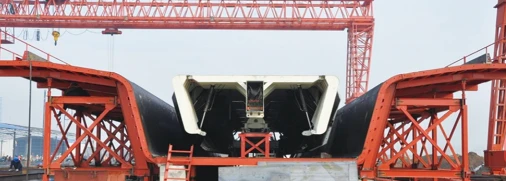
When repairing prefabricated box girders, the right tools and equipment are essential. For example, the Intelligent Trolley can be very useful for transporting repair materials and tools around the construction site. It is equipped with advanced technology that allows for efficient and precise movement. The Invert Trestle provides a stable working platform for workers to access different parts of the girder during the repair process. And the Precast Box Girder Formwork can be used for casting new concrete during the repair of large - scale damage.
Quality Control during Repair
Quality control is crucial during the repair process. Here are some key points to consider:
- Material Selection: Use high - quality repair materials that meet the relevant standards and specifications. Check the quality certificates of the materials before use.
- Workmanship: Ensure that the repair work is carried out by experienced and skilled workers. Follow the correct repair procedures and techniques.
- Inspection and Testing: Conduct regular inspections and tests during and after the repair work. Check the bonding strength, compressive strength, and other properties of the repaired area to ensure that it meets the requirements.
Conclusion
Repairing common defects in prefabricated box girders is a complex but necessary task. By following the appropriate inspection and repair methods, using the right tools and equipment, and implementing strict quality control measures, we can effectively repair the defects and extend the service life of the girders.
If you are in need of prefabricated box girders or have any questions about girder repair, please feel free to contact us for more information and to discuss your procurement needs. Our team of experts is ready to provide you with professional advice and high - quality products.
References
- "Concrete Repair Manual" by the American Concrete Institute.
- "Design and Construction of Prefabricated Box Girders" by various international engineering research institutions.
- Industry reports on prefabricated box girder technology and quality control.