

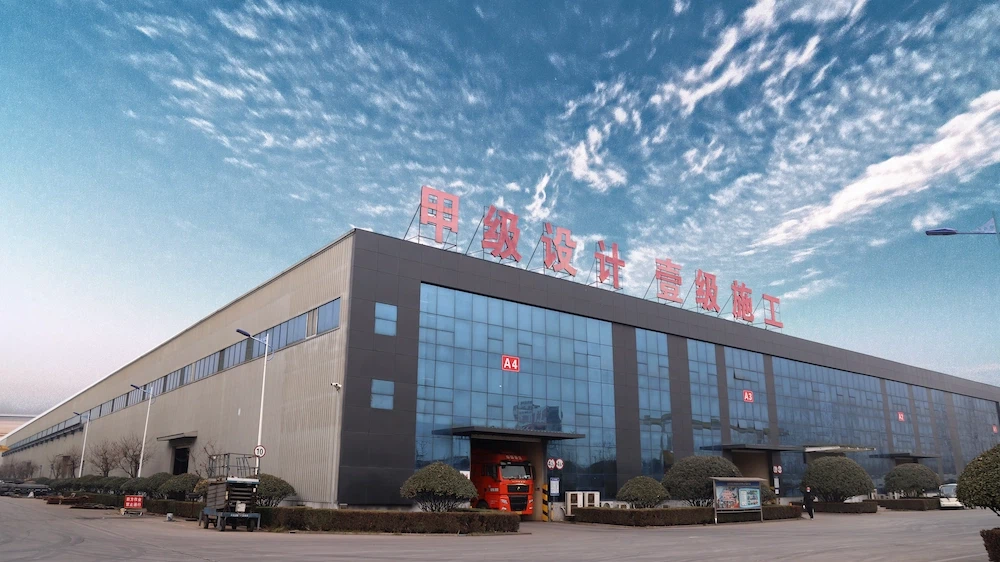


Hey there! As a steel purlins supplier, I know how crucial it is to ensure the weld quality of steel purlins. After all, these components play a vital role in the structural integrity of buildings, especially when paired with stuff like Photovoltaic Roof Panels, Daylighting Panels, and Color Steel Wall Panel. So, let's dive into how you can effectively test the weld quality of steel purlins.
Visual Inspection
First off, a simple visual inspection can tell you a lot. Just take a good look at the welds. You're looking for any obvious signs of trouble, like cracks, porosity, or incomplete fusion. Cracks are a big no - no as they can significantly weaken the weld. Porosity shows up as small holes in the weld, which can reduce its strength and corrosion resistance. Incomplete fusion means the weld hasn't properly joined the two pieces of steel, and that's a major issue.
When you're inspecting, make sure to use proper lighting. You might even want to use a magnifying glass for a closer look. Look at the entire length of the weld, checking both the surface and the edges. If you notice any of these defects, it's a clear indication that the weld quality might be compromised.
Dye Penetrant Testing
Dye penetrant testing is a relatively easy and cost - effective way to detect surface - opening defects in the welds. Here's how it works. First, you clean the weld surface really well. You don't want any dirt, grease, or rust getting in the way. Then, you apply a penetrant dye to the weld. This dye seeps into any surface - opening cracks or flaws.
After letting the dye sit for a while (usually about 10 - 30 minutes, depending on the product), you wipe off the excess dye. Next, you apply a developer. The developer acts like a sponge, drawing the dye out of the defects and making them visible as bright - colored indications. It's a great method for finding small surface cracks that might not be visible to the naked eye.
Magnetic Particle Testing
If the steel purlins are made of ferromagnetic materials (which most steel is), magnetic particle testing can be a great option. This method is used to detect surface and near - surface defects.
You start by applying a magnetic field to the weld area. This can be done using a magnetic yoke or a permanent magnet. If there's a defect in the weld, the magnetic field lines will be distorted, and this creates a leakage field. Then, you sprinkle magnetic particles (either dry or in a liquid suspension) over the weld. The particles will be attracted to the leakage field and form visible indications of the defect.
It's a quick and reliable method, but it's only useful for ferromagnetic materials. And like any test, it has its limitations. It might not be able to detect very deep internal defects, but it's great for finding surface - related problems.
Ultrasonic Testing
Ultrasonic testing is a more advanced method that can detect internal defects in the welds. It uses high - frequency sound waves to penetrate the weld. When the sound waves encounter a defect, they're reflected back, and this reflection is detected by a transducer.
The operator analyzes the signals received by the transducer to determine the size, location, and type of the defect. Ultrasonic testing can detect a wide range of internal defects, including cracks, lack of fusion, and porosity. However, it requires a skilled operator to accurately interpret the results. And the equipment can be a bit expensive, but it's a great option for high - quality inspections.
Radiographic Testing
Radiographic testing, such as X - ray or gamma - ray testing, is another powerful tool for detecting internal defects. It works by passing radiation through the weld and onto a film or a digital detector. The defects show up as darker areas on the film or detector because they absorb less radiation than the surrounding material.
This method can provide detailed images of the internal structure of the weld, allowing you to accurately identify and measure defects. But it comes with some drawbacks. It's expensive, and it requires special safety precautions because of the radiation involved. So, it's usually reserved for critical applications where a high level of inspection is required.
Destructive Testing
Sometimes, you might need to perform destructive testing to really get an in - depth look at the weld quality. This involves cutting or breaking a sample of the weld to examine its internal structure.
One common type of destructive testing is the bend test. In a bend test, you take a sample of the weld and bend it to a specific angle. If the weld cracks or fails during the bend, it indicates poor weld quality. Another type is the tensile test, where you pull the weld sample until it breaks. By measuring the force required to break the sample, you can determine the weld's strength.
Destructive testing gives you very accurate information about the weld, but it's obviously not suitable for all situations since it destroys the sample. You usually only do this on a few representative samples from a batch of steel purlins.
Importance of Regular Testing
Regular testing of weld quality is super important. It helps you catch any issues early on, before they turn into major problems. By ensuring the welds are of high quality, you're not only guaranteeing the structural integrity of the steel purlins but also the safety of the entire building.
Moreover, as a steel purlins supplier, high - quality welds are essential for maintaining a good reputation. Customers trust that the products they're buying are safe and reliable. If you skimp on weld quality testing, you could end up with a lot of unhappy customers and potential legal issues.


Conclusion
Testing the weld quality of steel purlins is a multi - step process that involves a combination of visual, non - destructive, and sometimes destructive testing methods. Each method has its own advantages and limitations, and using a combination of them can give you a comprehensive view of the weld quality.
If you're in the market for high - quality steel purlins and want to ensure top - notch weld quality, feel free to get in touch with us. We're passionate about providing the best products and are always happy to discuss your needs. Whether you're using our purlins with Photovoltaic Roof Panels, Daylighting Panels, or Color Steel Wall Panel, we've got you covered.
References
- AWS D1.1 Structural Welding Code - Steel, American Welding Society
- ASME Boiler and Pressure Vessel Code, American Society of Mechanical Engineers
- ASTM Standards on Welding and Testing, American Society for Testing and Materials