



When it comes to building bridges, steel truss bridges are a popular choice for many reasons. As a steel truss bridge supplier, I've seen firsthand how these structures offer a unique blend of strength, durability, and cost - effectiveness. In this blog, I'll break down the key cost - effectiveness considerations for a steel truss bridge.


Initial Material Costs
One of the first things to consider is the cost of materials. Steel, in general, is quite versatile. You can get different grades of steel depending on the specific requirements of your bridge. High - strength steel might cost a bit more upfront, but it can reduce the amount of material needed in the long run. For example, if you're building a long - span bridge, using high - strength steel means you can design a lighter truss structure. This is because high - strength steel can withstand greater loads per unit of cross - sectional area.
When comparing with other bridge types like Steel Girder, steel truss bridges can sometimes be more cost - effective in terms of material usage. A steel girder bridge might require a large, solid beam, which can use a significant amount of steel. In contrast, a steel truss bridge uses a framework of interconnected bars, which can be more efficient in distributing loads and thus use less steel overall.
Another factor in material costs is the availability of steel. Since steel is a widely produced commodity, it's usually easy to source. This competition among steel suppliers can drive down the price. However, you need to be careful about the quality. Cheaper steel might not have the same strength and corrosion - resistance properties as more expensive options. As a supplier, I always recommend using steel that meets industry standards to avoid costly repairs and replacements down the line.
Fabrication and Labor Costs
Fabricating a steel truss bridge is a complex process. It involves cutting, welding, and assembling the steel components. The cost of fabrication depends on several factors. First, the complexity of the truss design plays a huge role. A simple, standard truss design will be cheaper to fabricate than a custom - designed, complex one.
Labor costs also vary depending on the location of the fabrication facility. In areas with high labor costs, the overall fabrication cost will be higher. However, some regions might have specialized labor that can work more efficiently, which could offset the higher hourly rates.
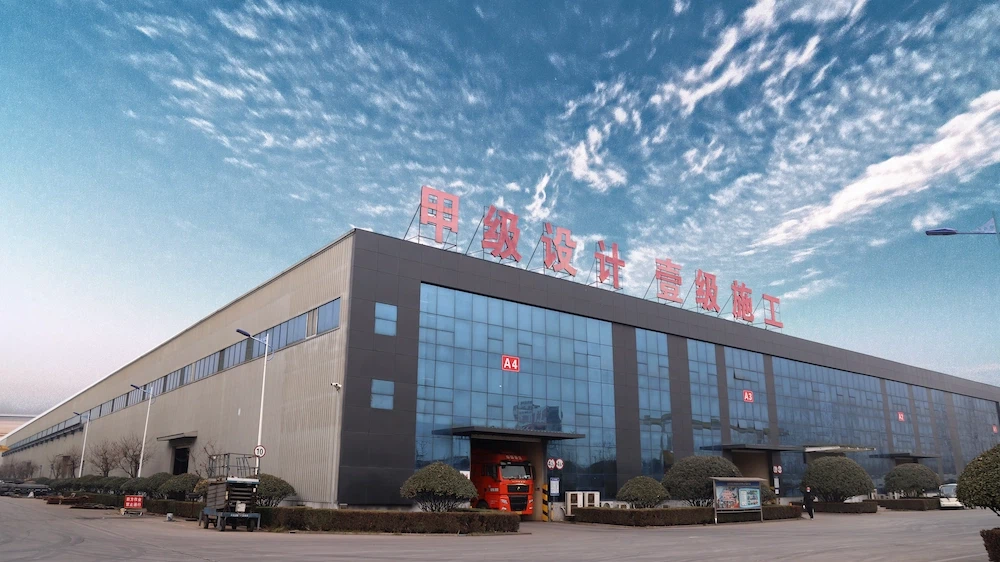
As a supplier, we have a well - equipped Steel Truss Bridge fabrication facility. We've invested in modern machinery and trained our workers to be as efficient as possible. This allows us to offer competitive fabrication prices without compromising on quality. We also work closely with our clients to optimize the truss design to reduce fabrication time and costs.
Transportation Costs
Once the steel truss components are fabricated, they need to be transported to the construction site. Transportation costs can be a significant part of the overall project cost. The size and weight of the truss components are the main factors affecting transportation costs. Larger and heavier components will require special transportation equipment, such as oversized trucks or cranes, which can be expensive.
To minimize transportation costs, we try to design the truss components in a way that they can be easily disassembled and reassembled on - site. This reduces the size and weight of the individual components during transportation. We also have a network of logistics partners who can help us find the most cost - effective transportation routes and methods.
Installation Costs
Installing a steel truss bridge requires specialized equipment and skilled labor. The installation process can be affected by the site conditions. For example, if the bridge is being built over water or in a mountainous area, the installation will be more challenging and costly.
We have a team of experienced installers who are familiar with different types of installation methods. We use advanced techniques to ensure a smooth and efficient installation process. This helps to reduce the overall installation time and costs. We also work closely with the construction team on - site to coordinate the installation and make sure everything goes according to plan.
Maintenance and Lifespan Costs
A key aspect of cost - effectiveness is the long - term maintenance and lifespan of the bridge. Steel truss bridges are known for their durability. However, they still require regular maintenance to prevent corrosion and structural damage.
The cost of maintenance depends on the type of coating used on the steel. A high - quality, corrosion - resistant coating can significantly reduce the frequency and cost of maintenance. We offer different coating options to our clients based on their specific needs and the environmental conditions of the bridge location.
In terms of lifespan, a well - maintained steel truss bridge can last for several decades. This long lifespan means that the initial investment in the bridge is spread out over a longer period, making it more cost - effective in the long run. Compared to some other bridge materials, such as wood or concrete, steel truss bridges generally have a longer lifespan and lower long - term maintenance costs.
Cost - Benefit Analysis
When considering the cost - effectiveness of a steel truss bridge, it's important to do a cost - benefit analysis. This involves comparing the initial costs, ongoing costs, and the benefits of the bridge. The benefits can include factors such as improved transportation, economic development in the area, and increased property values.
For example, if a steel truss bridge is built in a rural area, it can improve access to markets and services, which can boost the local economy. The increased economic activity can offset the cost of building and maintaining the bridge over time.
As a supplier, we can help our clients conduct a cost - benefit analysis. We have the expertise and data to provide accurate cost estimates and evaluate the potential benefits of the bridge. This helps our clients make informed decisions about whether a steel truss bridge is the right choice for their project.
Conclusion
In conclusion, there are many cost - effectiveness considerations when it comes to a steel truss bridge. From initial material costs to long - term maintenance, each aspect plays a role in determining the overall cost of the project. As a Steel Truss Bridge supplier, we're committed to providing high - quality bridges at competitive prices. We work closely with our clients to understand their needs and optimize the design and construction process to achieve the best cost - effectiveness.
If you're considering a steel truss bridge for your project, I encourage you to reach out to us. We can provide you with detailed cost estimates, design options, and answer any questions you might have. Let's work together to build a bridge that meets your needs and fits your budget.
References
- "Bridge Engineering Handbook" by Wei - Li Dong
- "Steel Structures: Design and Behavior" by S. Ambily