

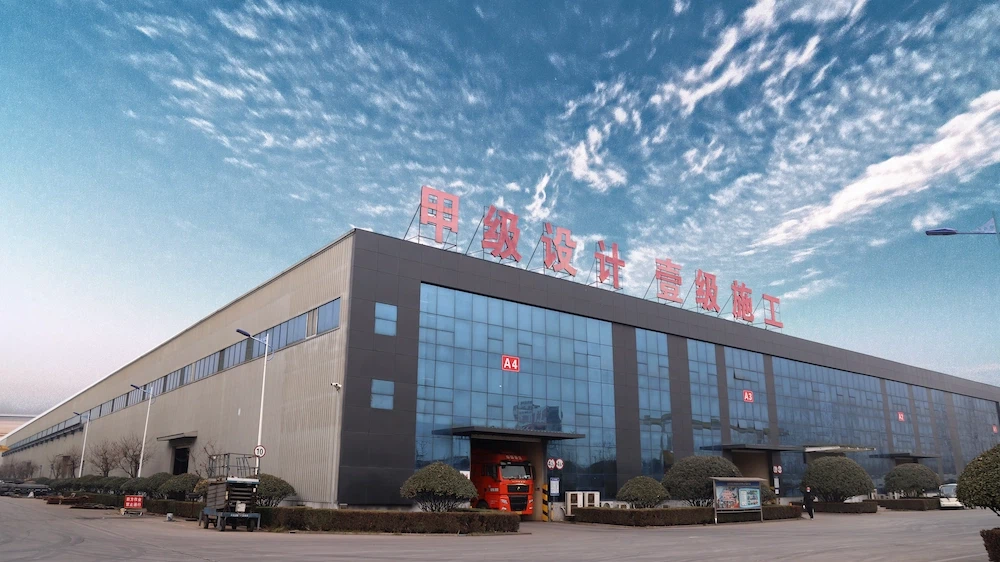


Hey there! I'm a supplier of steel structure workshops, and today I want to chat about the environmental impacts of these structures. Steel structure workshops have become increasingly popular in recent years due to their durability, flexibility, and cost - effectiveness. But like any construction project, they come with their own set of environmental pros and cons.
Let's start with the positive environmental impacts. One of the biggest advantages of steel structure workshops is the recyclability of steel. Steel is one of the most recycled materials in the world. According to the World Steel Association, the global recycling rate for steel is around 88%. When a steel structure workshop reaches the end of its useful life, the steel can be easily recycled and used to make new products. This reduces the demand for virgin steel production, which in turn saves a significant amount of energy and natural resources.
Producing new steel from recycled materials requires much less energy compared to making it from raw materials. The energy savings can be as high as 75%. This reduction in energy consumption means lower greenhouse gas emissions. By choosing a steel structure workshop, you're essentially contributing to a more sustainable future by reducing the carbon footprint associated with construction.
Another positive aspect is the speed of construction. Steel structure workshops can be erected much faster than traditional buildings. This is because the components are pre - fabricated in a factory and then assembled on - site. The shorter construction time means less disruption to the surrounding environment. There's less noise pollution, less dust, and fewer disturbances to local wildlife. For example, in a residential area, a quick - built steel workshop will cause less annoyance to the neighbors compared to a long - term construction project using traditional building methods.
Steel is also a very strong and lightweight material. This means that less foundation work is required for a steel structure workshop compared to a building made of heavier materials like concrete. Less excavation and less use of building materials for the foundation translate into less environmental impact. There's less soil disturbance, and fewer resources are used in the construction process.
Now, let's talk about the negative environmental impacts. The production of steel is an energy - intensive process. Although recycling helps reduce the energy demand, the initial production of steel still requires a large amount of energy, mainly from fossil fuels. This leads to significant greenhouse gas emissions, including carbon dioxide, which is a major contributor to climate change.
The mining of iron ore, the primary raw material for steel production, also has environmental consequences. Mining operations can cause habitat destruction, soil erosion, and water pollution. The extraction process often involves large - scale excavation, which can disrupt local ecosystems and displace wildlife. Chemicals used in the mining and processing of iron ore can contaminate water sources, affecting both aquatic life and human health.
During the construction of a steel structure workshop, there can still be some environmental issues. Even though the construction is relatively fast, there is still waste generated from the pre - fabrication and assembly processes. This waste includes scrap metal, packaging materials, and other construction debris. If not managed properly, this waste can end up in landfills, contributing to the growing problem of waste disposal.
In addition, steel is susceptible to corrosion. To prevent corrosion, steel structures often need to be coated with protective paints or coatings. These coatings can contain harmful chemicals such as volatile organic compounds (VOCs). When these coatings are applied or during their long - term use, VOCs can be released into the atmosphere, contributing to air pollution and having potential health effects on humans and the environment.


However, as a supplier, we're constantly looking for ways to mitigate these negative impacts. We're committed to using more recycled steel in our products. By increasing the proportion of recycled steel, we can further reduce the energy consumption and greenhouse gas emissions associated with steel production. We also work with our partners to ensure that the waste generated during the construction process is properly managed. Recycling programs are in place to reuse scrap metal and other materials, reducing the amount of waste sent to landfills.
When it comes to corrosion protection, we're exploring more environmentally friendly coating options. There are now low - VOC and even VOC - free coatings available on the market. These coatings provide effective corrosion protection while minimizing the release of harmful chemicals into the environment.
If you're considering building a steel structure workshop, there are several types to choose from. You can check out our Steel Workshop options, which are suitable for a wide range of applications. For those who need more space or have specific layout requirements, our Multi - story Steel Structure Workshop might be the perfect choice. And if you're looking for a more unique and cost - effective option, take a look at our metal barn workshop.
We understand that environmental concerns are important to our customers. That's why we're dedicated to providing sustainable solutions in the steel structure workshop industry. Whether you're a small business owner looking for a storage space or a large corporation in need of a manufacturing facility, we can offer you a high - quality, environmentally - friendly steel structure workshop.
If you're interested in learning more about our products or have any questions regarding the environmental impacts of steel structure workshops, don't hesitate to contact us for a procurement discussion. We're here to help you make an informed decision that meets your needs while also being kind to the environment.
References
- World Steel Association. (n.d.). Steel Recycling. Retrieved from the official website of the World Steel Association.
- Various research studies on construction environmental impacts and steel production processes.