

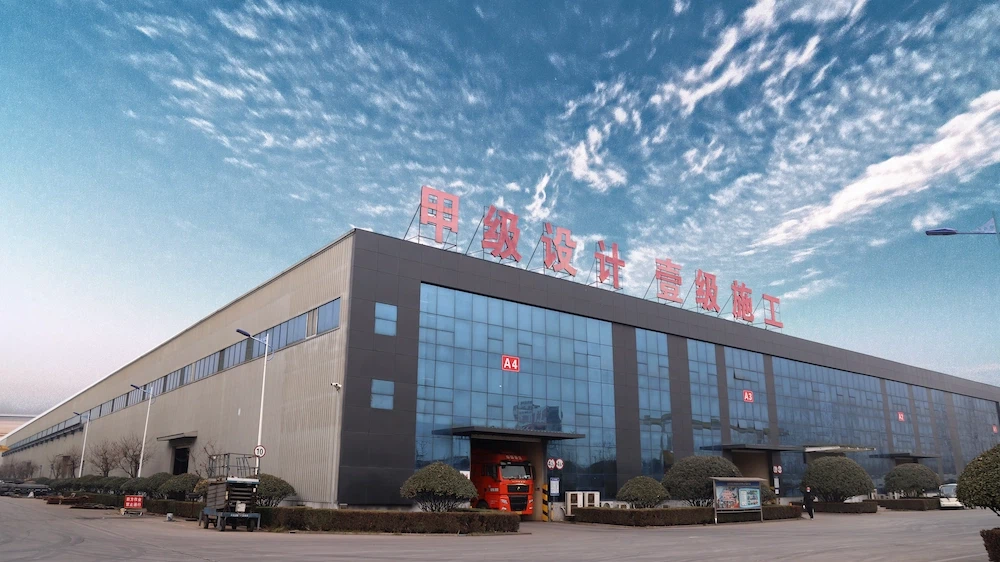


Hey there! I'm a supplier of steel roof panels, and I've seen firsthand how important it is to store these panels properly before installation. In this blog, I'll share some tips on the best way to store steel roof panels to keep them in top - notch condition until they're ready to be put on the roof.
Why Proper Storage Matters
First off, let's talk about why proper storage is a big deal. Steel roof panels are a significant investment for both us suppliers and our customers. If they're not stored correctly, they can get damaged, corroded, or warped. And when that happens, it means extra costs for everyone involved - from having to replace the damaged panels to the potential delay in the installation process. Nobody wants that headache, right?
Choosing the Right Location
The location where you store your steel roof panels plays a crucial role. You want to pick a place that's dry and well - ventilated. Moisture is the enemy of steel, as it can lead to rust. If you leave the panels in a damp area, rust can start forming in no time, weakening the panels and reducing their lifespan.
An indoor storage facility is ideal. A warehouse or a covered storage shed can protect the panels from the elements. If you don't have access to an indoor space, you can use a waterproof tarp to cover the panels. But make sure the tarp is secured properly so that it doesn't blow off in the wind.
Also, the storage area should be flat. Uneven ground can cause the panels to warp over time. You don't want your panels to arrive at the installation site all bent out of shape.


Stacking the Panels
When it comes to stacking the steel roof panels, there are a few things to keep in mind. First, stack them in an orderly manner. You can stack them vertically or horizontally, but make sure they're aligned properly. This helps prevent any unnecessary pressure points on the panels.
If you stack them vertically, use a sturdy rack system. The rack should be able to support the weight of the panels without tipping over. You can use wooden or metal racks, depending on what you have available. Just make sure they're in good condition.
When stacking horizontally, place some padding between the layers. This can be something like cardboard or foam. The padding helps prevent scratches and dents on the panels. And don't stack the panels too high. A stack that's too tall can be unstable and might collapse, causing damage to the panels.
Protecting the Panels from the Elements
As I mentioned earlier, moisture is a major concern. But there are other elements that can also damage the panels. Sunlight, for example, can cause the paint on the panels to fade over time. If you're storing the panels outdoors, try to find a shaded area. If that's not possible, use a UV - resistant tarp to cover them.
Wind can also be a problem. Strong winds can blow the panels around and cause them to collide with each other or other objects. Make sure the storage area is sheltered from the wind, or use weights or straps to secure the panels.
Preventing Corrosion
Corrosion is one of the biggest threats to steel roof panels. To prevent it, you can apply a protective coating to the panels before storage. There are various types of coatings available, such as zinc - based coatings. These coatings create a barrier between the steel and the environment, reducing the risk of rust.
You can also use desiccants in the storage area. Desiccants are materials that absorb moisture from the air. Placing some desiccant packs around the panels can help keep the air dry and reduce the chances of corrosion.
Inspecting the Panels Regularly
Even if you've taken all the necessary precautions, it's still a good idea to inspect the panels regularly. Check for any signs of damage, such as rust, dents, or scratches. If you notice any issues, address them right away. For example, if you see a small area of rust, you can use a rust remover and then apply a new coating to that area.
Regular inspections also help you keep track of the condition of the panels. You can make sure that they're still in good shape and ready for installation when the time comes.
Types of Steel Roof Panels and Their Storage Considerations
There are different types of steel roof panels, and each might have its own specific storage requirements. For example, Photovoltaic Roof Panels are a bit more delicate. They have electrical components, so you need to be extra careful when storing them. Make sure they're stored in a clean, dry area away from any sources of heat or moisture that could damage the electrical parts.
Steel Structure Composite Roof Panel usually have multiple layers. You need to ensure that the layers don't separate during storage. Stack them carefully and make sure there's no excessive pressure on the panels that could cause the layers to come apart.
Color Steel Roof Panel are known for their color finish. To keep the color looking fresh, protect them from direct sunlight and scratches. Using padding when stacking and covering them with a UV - resistant tarp can help maintain the color.
Final Thoughts
Proper storage of steel roof panels is essential for ensuring their quality and longevity. By choosing the right location, stacking them correctly, protecting them from the elements, preventing corrosion, and inspecting them regularly, you can keep your panels in great condition until they're ready for installation.
If you're in the market for high - quality steel roof panels, we've got you covered. We offer a wide range of panels, including the ones I mentioned above. Whether you need them for a small residential project or a large commercial building, we can provide the right solution for you. If you're interested in learning more or want to discuss your specific needs, feel free to reach out to us. We're always happy to help you with your steel roof panel requirements.
References
- American Iron and Steel Institute. (2023). Best Practices for Steel Storage.
- National Roofing Contractors Association. (2023). Guidelines for Roofing Material Storage.