



What is the history of invert trestles?
In the realm of civil engineering and construction, invert trestles play a crucial role, yet their history is often overlooked. As a supplier of invert trestles, I've had the privilege of delving deep into their evolution, and I'm excited to share this journey with you.
Early Beginnings
The concept of invert trestles can be traced back to ancient times when humans first started building large - scale infrastructure projects such as aqueducts and underground tunnels. In ancient Rome, for example, engineers were faced with the challenge of constructing stable and efficient water - carrying systems. The invert, which is the bottom part of a tunnel or conduit, needed to be properly supported to ensure the long - term integrity of the structure.
At that time, simple wooden trestles were used to support the formwork during the construction of the invert. These trestles were rudimentary in design, but they served their purpose well. They were made from locally sourced timber, and their construction techniques were based on traditional carpentry skills. The main goal was to create a stable platform that could hold the wet concrete in place until it hardened.
The Industrial Revolution and the Advance of Invert Trestles
The Industrial Revolution in the 18th and 19th centuries brought about a significant transformation in the construction industry. With the advent of new manufacturing processes and materials, the design and construction of invert trestles underwent a major overhaul.
The introduction of iron and later steel revolutionized the way invert trestles were built. Steel offered several advantages over wood, including greater strength, durability, and the ability to be fabricated into more complex shapes. Engineers could now design trestles that were capable of supporting much heavier loads, which was essential as construction projects became larger and more ambitious.
During this period, invert trestles were used in the construction of railway tunnels, large - scale water supply systems, and sewer networks. The ability to create stronger and more stable trestles allowed for the construction of longer and deeper tunnels, which in turn facilitated the expansion of transportation and urban infrastructure.
Modern Era and Technological Innovations
In the 20th and 21st centuries, technological advancements have continued to shape the development of invert trestles. Computer - aided design (CAD) and building information modeling (BIM) have revolutionized the design process, allowing engineers to create highly accurate and efficient trestle designs.
These technologies enable detailed analysis of the structural integrity of the trestles, taking into account factors such as load distribution, stress points, and environmental conditions. As a result, modern invert trestles are not only stronger and more reliable but also more cost - effective to produce.
Another significant innovation is the use of prefabrication. Prefabricated invert trestles can be manufactured off - site in a controlled environment, which reduces construction time and improves quality control. This approach also minimizes disruption at the construction site, as the prefabricated components can be quickly assembled on - site.
Our Invert Trestles: A Blend of Tradition and Innovation
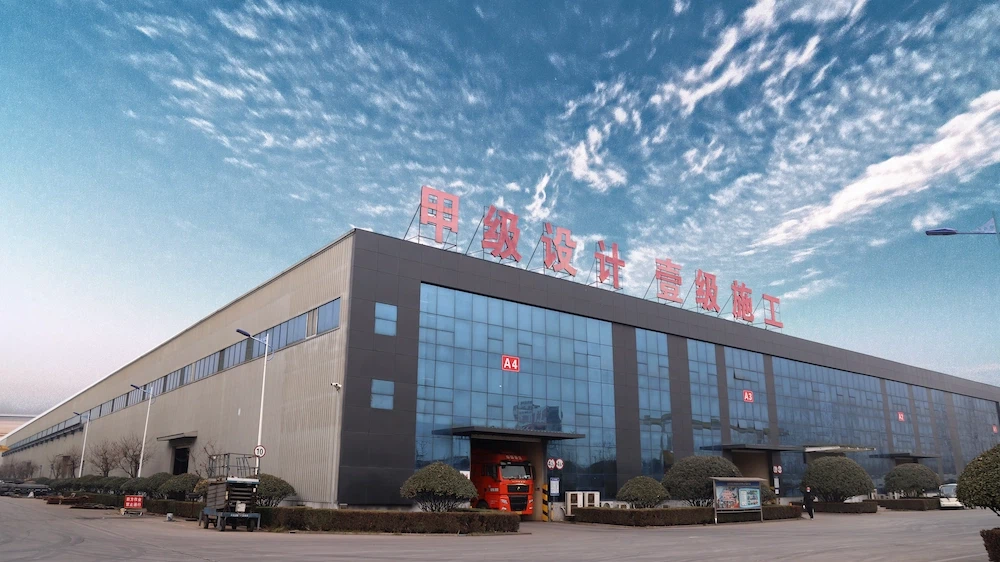
As a supplier of invert trestles, we are committed to combining the rich history of these structures with the latest technological advancements. Our trestles are designed and manufactured using state - of - the - art techniques and high - quality materials.
We offer a wide range of invert trestles to meet the diverse needs of our customers. Whether you are working on a small - scale residential project or a large - scale infrastructure development, we have the right solution for you.
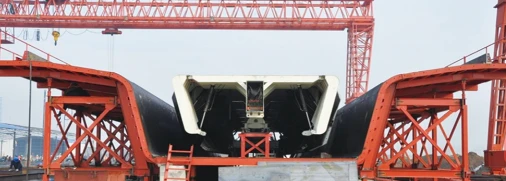

One of our key products is the Intelligent Trolley. This innovative trolley is designed to work in conjunction with our invert trestles, providing enhanced mobility and efficiency during the construction process. The intelligent trolley is equipped with advanced sensors and control systems, allowing for precise positioning and movement.
We also offer Precast Box Girder Formwork. This formwork system is ideal for projects that require the construction of precast box girders. It is designed to be easy to assemble and disassemble, and it can be customized to meet the specific requirements of your project.
In addition, our Full Section Steel Formwork Concrete Lined Tunnel Trolley is a cutting - edge solution for tunnel construction. This trolley provides a stable and efficient platform for the construction of the tunnel invert, ensuring high - quality results.
Why Choose Our Invert Trestles?
When it comes to choosing an invert trestle supplier, there are several reasons why you should consider us. Firstly, our products are of the highest quality. We use only the best materials and manufacturing processes to ensure that our trestles meet the most stringent industry standards.
Secondly, we have a team of experienced engineers and technicians who are dedicated to providing excellent customer service. From the initial design stage to the final installation, we will work closely with you to ensure that your project is a success.
Finally, we offer competitive pricing without compromising on quality. We understand that cost is an important factor in any construction project, and we strive to provide our customers with the best value for their money.
Contact Us for Your Invert Trestle Needs
If you are in the market for high - quality invert trestles, we invite you to contact us for a detailed discussion. Our team is ready to answer all your questions and provide you with a customized solution that meets your specific requirements. Whether you are a contractor, engineer, or project manager, we are confident that we can help you achieve your construction goals.
References
- "History of Civil Engineering" by Henry Petroski
- "The Industrial Revolution and Construction" by David P. Billington
- "Modern Construction Technologies" by John A. Ochsendorf