

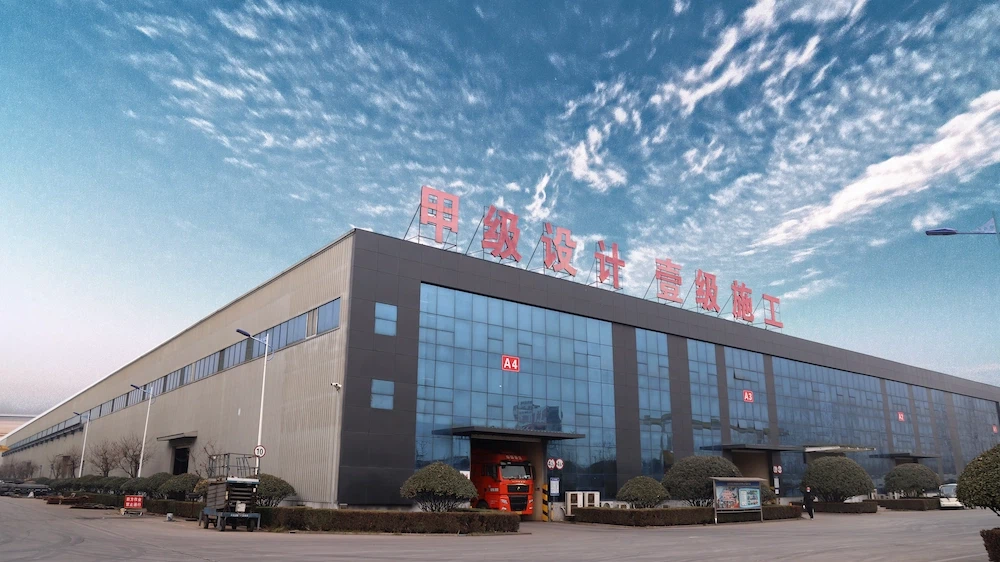


As a seasoned supplier of color steel wall panels, I've witnessed firsthand the transformative power these panels bring to construction projects. Their durability, aesthetic appeal, and cost - effectiveness make them a top choice for many builders and property owners. One of the most frequently asked questions I encounter is about the installation sequence of color steel wall panels. In this blog, I'll break down the process step - by - step to provide a clear understanding.
Step 1: Site Preparation
Before any installation work begins, the site must be thoroughly prepared. This involves ensuring that the foundation or the structure where the wall panels will be installed is level, clean, and free from any debris. Any unevenness in the base can lead to misalignment of the panels and compromise the overall integrity of the wall.
Measure the area precisely to determine the number of panels required. This step is crucial as it helps in ordering the correct quantity of materials and minimizing waste. It's also important to check for any existing structures or obstacles that might interfere with the installation process.
Step 2: Installation of Wall Studs
Wall studs act as the framework for the color steel wall panels. They provide support and ensure that the panels are securely attached. The studs should be made of high - quality steel and installed at the correct spacing, usually according to the manufacturer's specifications.
Start by marking the positions of the studs on the foundation or the supporting structure. Use a level to ensure that the studs are perfectly vertical. Secure the studs in place using appropriate fasteners, such as bolts or screws. Make sure that the studs are firmly attached to prevent any movement during the panel installation.
Step 3: Installation of Vapor Barrier
A vapor barrier is an essential component in the installation of color steel wall panels. It helps to prevent moisture from penetrating the wall and causing damage to the panels or the underlying structure.
Roll out the vapor barrier over the wall studs, starting from the bottom and working your way up. Overlap the seams of the vapor barrier by at least a few inches to ensure a tight seal. Secure the vapor barrier to the studs using staples or adhesives. Pay special attention to the edges and corners to prevent any gaps.
Step 4: Panel Delivery and Inspection
Once the site is prepared and the framework is in place, it's time to receive the color steel wall panels. When the panels are delivered, carefully inspect each one for any damage, such as scratches, dents, or deformities.
Check the dimensions of the panels to ensure they match the specifications of the project. Any damaged or non - conforming panels should be set aside and reported to the supplier immediately. Proper handling of the panels during delivery and storage is also crucial to prevent any additional damage.
Step 5: Panel Installation
Begin the panel installation from one end of the wall. Lift the first panel into place and align it with the wall studs. Use appropriate fasteners, such as self - drilling screws, to attach the panel to the studs. Make sure that the panel is level and plumb before tightening the screws.
As you install each subsequent panel, ensure that it is properly aligned with the previous one. Pay attention to the panel joints, which should be tight and seamless. Use a sealant at the joints to prevent water infiltration.
For multi - panel walls, it may be necessary to use a lifting device or a team of installers to handle the larger panels. Take your time during this step to ensure that the panels are installed correctly and securely.
Step 6: Trimming and Finishing
After all the panels are installed, it's time to trim the edges and add any finishing touches. Use a saw or other cutting tools to trim the panels to the correct length and shape. Make sure the cuts are clean and precise.
Install any trim pieces, such as corner trims or flashing, to enhance the appearance of the wall and provide additional protection against the elements. Seal all the joints and edges of the trim pieces to prevent water and air leakage.
Step 7: Quality Inspection
Once the installation is complete, conduct a thorough quality inspection. Check for any loose panels, gaps in the joints, or other installation issues. Ensure that the wall is level, plumb, and free from any visible defects.
Test the integrity of the wall by checking for water leakage, especially around the joints and edges. Make any necessary adjustments or repairs to ensure that the wall meets the highest quality standards.
Advantages of Color Steel Wall Panels
Color steel wall panels offer numerous advantages that make them a popular choice in the construction industry. They are highly durable and can withstand harsh weather conditions, including strong winds, heavy rain, and extreme temperatures.
These panels are also easy to maintain, requiring only occasional cleaning to keep them looking their best. Their aesthetic appeal is another major benefit, as they come in a wide range of colors and finishes, allowing for endless design possibilities.
In addition, color steel wall panels are environmentally friendly, as they are often made from recycled materials and can be recycled at the end of their lifespan. They also provide excellent insulation, which can help to reduce energy costs.
The Role of a Reliable Supplier
As a color steel wall panel supplier, I understand the importance of providing high - quality products and excellent customer service. We work closely with our clients to ensure that they receive the right panels for their specific needs.
Our team of experts is available to provide technical support and guidance throughout the installation process. We offer a wide range of Color Steel Wall Panel options, including Steel Structure Composite Wall Panel, to meet the diverse requirements of different projects.
Conclusion
The installation sequence of color steel wall panels is a complex but well - defined process. By following the steps outlined above, you can ensure a successful installation that results in a durable, aesthetically pleasing, and energy - efficient wall.


If you're planning a construction project and are considering color steel wall panels, I encourage you to reach out to us. Our team is ready to assist you in selecting the right panels and providing all the support you need for a seamless installation. Whether you're a builder, an architect, or a property owner, we're here to help you achieve your construction goals.
References
- Construction Handbook for Metal Wall Panels
- Best Practices in Color Steel Wall Panel Installation
- Industry Standards for Color Steel Wall Panel Manufacturing and Installation