

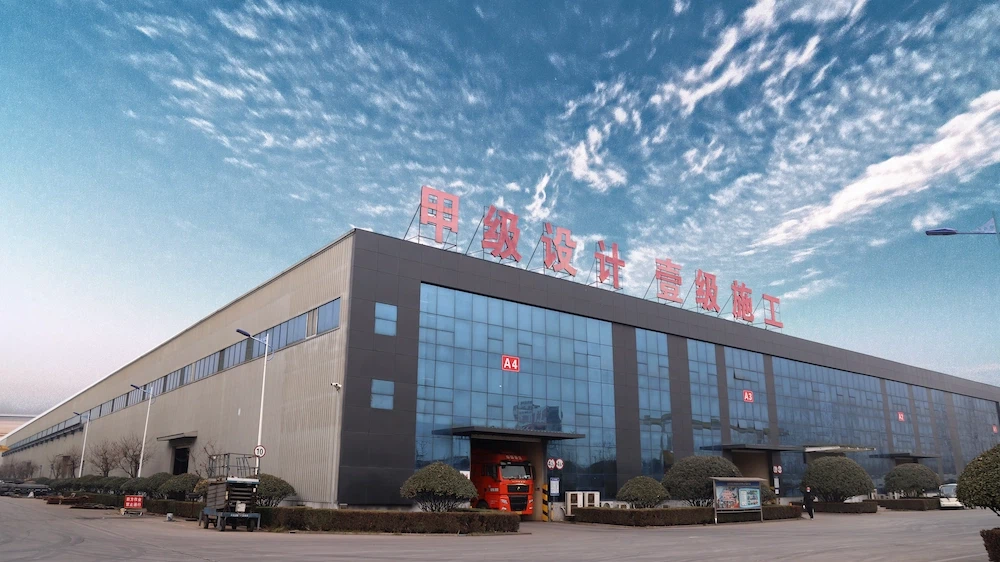


As a color steel roof panel supplier, I often get asked about the sound - absorption performance of these panels. In this blog, I will delve into the details of the sound - absorption capabilities of color steel roof panels, which is a crucial factor for many customers when choosing roofing materials.
Factors Affecting Sound - Absorption Performance
Material Composition
Color steel roof panels are typically made of a steel substrate with a colored coating. The steel itself has relatively poor sound - absorption properties. Steel is a dense and rigid material, which means it tends to reflect sound waves rather than absorb them. However, modern color steel roof panels can be combined with other materials to improve their sound - absorption performance. For example, some panels are installed with an inner layer of insulation material such as fiberglass or rock wool. These insulation materials have a porous structure that can effectively trap and dissipate sound energy. Fiberglass insulation, for instance, consists of fine glass fibers that create a maze - like structure. When sound waves enter this structure, they are scattered and absorbed through friction between the fibers and the air molecules.
Panel Thickness
The thickness of color steel roof panels also plays a role in their sound - absorption performance. Generally, thicker panels can provide better sound insulation. A thicker panel has more mass, which can resist the transmission of sound waves. When sound hits a thick panel, it has to overcome more material to pass through, resulting in a reduction in the amount of sound that reaches the interior of the building. However, increasing the thickness also comes with an increase in cost and weight, which need to be considered in the overall design of the roofing system.
Installation Method
The way color steel roof panels are installed can significantly impact their sound - absorption capabilities. A proper installation ensures that there are no gaps or joints that can allow sound to leak through. Sealing the joints between panels with appropriate sealants can prevent sound from entering the building through these weak points. Additionally, the use of proper fasteners and support structures can reduce vibrations that may generate additional noise. For example, if the panels are not firmly attached, they may vibrate when exposed to wind or other external forces, creating a rattling sound.
Measuring Sound - Absorption Performance
Sound Transmission Class (STC)
The Sound Transmission Class (STC) is a commonly used rating system to measure the sound - insulation performance of building materials, including color steel roof panels. The STC rating is a single - number index that represents the ability of a material or assembly to reduce the transmission of airborne sound. A higher STC rating indicates better sound - insulation performance. For color steel roof panels, an STC rating of 30 - 40 is considered good for general applications, while higher ratings of 40 - 50 or more are suitable for noise - sensitive environments such as hospitals or recording studios.
Noise Reduction Coefficient (NRC)
The Noise Reduction Coefficient (NRC) is another important metric for evaluating the sound - absorption performance of materials. The NRC measures the average amount of sound energy absorbed by a material at four frequencies (250, 500, 1000, and 2000 Hz). It is expressed as a number between 0 and 1, where 0 means the material reflects all sound and 1 means the material absorbs all sound. Color steel roof panels with an NRC of 0.5 or higher are considered to have good sound - absorption capabilities.
Applications and Benefits
Industrial Buildings
In industrial buildings, color steel roof panels with good sound - absorption performance can reduce the noise generated by machinery and equipment. This creates a more comfortable working environment for employees and also helps to meet noise - control regulations. For example, in a factory where large machines are operating, the use of sound - absorbing color steel roof panels can prevent the noise from spreading to the surrounding areas.
Residential Buildings
In residential buildings, sound - absorbing color steel roof panels can provide a quiet living environment. They can reduce the noise from rain, wind, and traffic, allowing residents to enjoy a peaceful home. For homeowners, this can significantly improve the quality of life. Moreover, in areas with high noise pollution, such as near airports or busy roads, the use of these panels can be a valuable investment.


Commercial Buildings
Commercial buildings such as offices and shopping malls also benefit from the sound - absorption performance of color steel roof panels. In an office environment, a quiet space can enhance productivity and concentration. In shopping malls, it can create a more pleasant shopping experience for customers.
Comparing with Other Roofing Materials
Concrete Roofs
Concrete roofs are heavy and have good sound - insulation properties. However, they are expensive to install and require a strong supporting structure. Color steel roof panels, on the other hand, are lightweight, easy to install, and relatively cost - effective. While their sound - absorption performance may not be as good as concrete roofs in some cases, with the addition of insulation materials, they can achieve comparable results.
Tile Roofs
Tile roofs are popular for their aesthetic appeal. However, they may not provide the best sound - insulation. Tiles are often brittle and may have gaps between them, which can allow sound to pass through. Color steel roof panels can be designed to have a more uniform and sealed surface, providing better sound - absorption in comparison.
Improving Sound - Absorption Performance
Adding Insulation
As mentioned earlier, adding insulation materials such as fiberglass or rock wool to color steel roof panels can greatly improve their sound - absorption performance. These insulation materials can be installed between the panels and the roof structure or as an inner layer of the panels. They work by absorbing and dissipating sound energy, reducing the amount of sound that reaches the interior of the building.
Using Sound - Absorbing Coatings
There are also sound - absorbing coatings available in the market that can be applied to color steel roof panels. These coatings contain special materials that can absorb sound waves. They are easy to apply and can be a cost - effective way to enhance the sound - absorption performance of existing roof panels.
Conclusion
In conclusion, the sound - absorption performance of color steel roof panels is influenced by various factors such as material composition, panel thickness, and installation method. By understanding these factors, customers can make informed decisions when choosing color steel roof panels for their buildings. As a color steel roof panel supplier, I offer a range of products with different sound - absorption capabilities to meet the diverse needs of my customers. Whether you are building an industrial facility, a residential home, or a commercial building, I can provide you with the right solution.
If you are interested in our Color Steel Roof Panel, Daylighting Panels or Photovoltaic Roof Panels, please feel free to contact us for more information and to discuss your specific requirements. We are committed to providing high - quality products and excellent service to help you achieve the best roofing solution for your project.
References
- Beranek, Leo L. Noise and Vibration Control. McGraw - Hill, 1971.
- Fahy, Frank J. Foundations of Engineering Acoustics. Academic Press, 2001.
- O'Callaghan, M. P. Noise Control: A Practical Guide. E & FN Spon, 1999.