

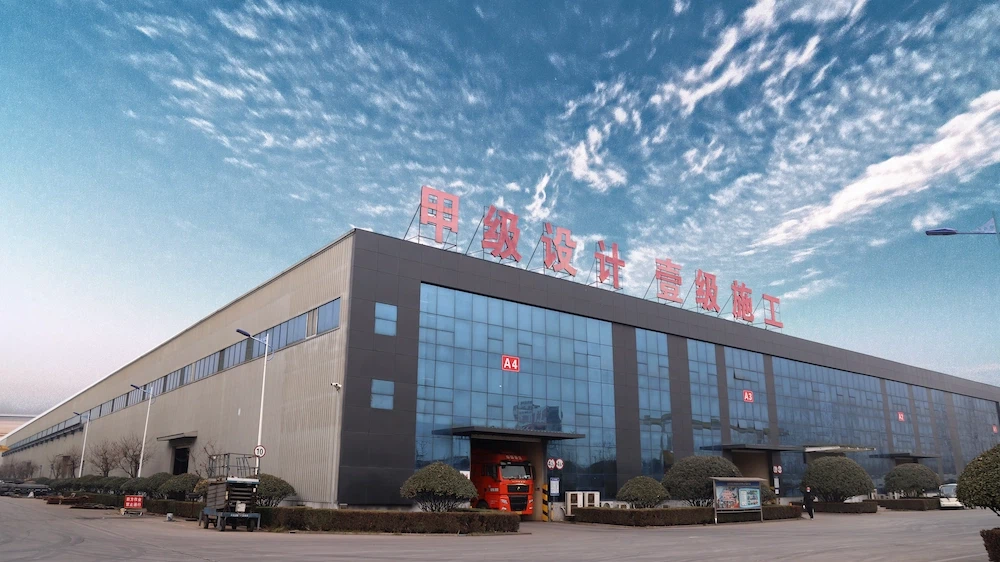


Building a steel box girder bridge is a complex and costly endeavor that involves a multitude of factors. As a leading steel box girder bridge supplier, I've witnessed firsthand the intricacies of this process and the various elements that contribute to the overall cost. In this blog post, I'll delve into the key factors that influence the cost of building a steel box girder bridge and provide a comprehensive overview of the associated expenses.
Factors Affecting the Cost of Building a Steel Box Girder Bridge
1. Design Complexity
The design of a steel box girder bridge is one of the primary factors that determine its cost. A simple, straight - span bridge with a standard design will generally be less expensive than a bridge with a complex curvature, multiple spans, or unique architectural features. Complex designs require more detailed engineering, specialized fabrication techniques, and additional materials. For instance, a bridge that needs to fit into a specific landscape or accommodate high - speed traffic may require a more sophisticated design, which can significantly increase the cost.
2. Bridge Length and Span
The length and span of the bridge are directly proportional to the cost. Longer bridges require more steel, which is the primary material for box girder bridges. Additionally, longer spans may need more robust structural elements to support the weight and withstand environmental forces. For example, a steel box girder bridge that spans a wide river or a deep valley will be more expensive to build than a shorter bridge over a small stream.
3. Material Costs
Steel is the main material used in the construction of box girder bridges. The cost of steel fluctuates based on market conditions, including supply and demand, and the cost of raw materials such as iron ore and coal. High - quality steel with specific strength and corrosion - resistance properties will also be more expensive. Other materials, such as concrete for the deck and bearings, also contribute to the overall cost. The use of advanced composite materials, like the Steel Plate Composite Girder Bridge, can provide benefits in terms of durability and strength but may also have a higher upfront cost.
4. Geographical Location
The location where the bridge is to be built has a significant impact on the cost. If the site is in a remote area, transportation costs for materials and equipment will be higher. Additionally, harsh environmental conditions, such as extreme temperatures, high winds, or seismic activity, may require additional design features and construction techniques to ensure the bridge's safety and durability. For example, building a steel box girder bridge in a coastal area may require more corrosion - protection measures due to the saltwater environment.
5. Labor Costs
Labor costs vary depending on the region and the complexity of the construction. Skilled labor is required for tasks such as steel fabrication, welding, and bridge erection. Regions with a high cost of living or a shortage of skilled labor will generally have higher labor costs. Moreover, the construction schedule can also affect labor costs. A tight schedule may require overtime work or more workers, increasing the overall labor expense.
6. Foundation Requirements
The type and depth of the foundation needed for the bridge depend on the soil conditions at the construction site. Soft soil, for example, may require deep foundations, such as piles or caissons, which are more expensive to install than shallow foundations. The complexity of the foundation design also plays a role. If the bridge needs to be built over a body of water, additional challenges such as underwater construction and foundation stability need to be addressed, adding to the cost.
7. Permitting and Regulatory Costs
Obtaining the necessary permits and complying with local, state, and federal regulations can be a time - consuming and costly process. Environmental impact studies, traffic management plans, and safety regulations all require careful consideration and documentation. These administrative tasks can add a significant amount to the overall project cost.
Cost Breakdown
1. Material Costs
As mentioned earlier, steel is the most significant material cost in building a steel box girder bridge. On average, steel can account for 30 - 50% of the total material cost. Other materials, such as concrete, reinforcement bars, and bearing pads, make up the remaining portion. The cost of steel can range from a few hundred to over a thousand dollars per ton, depending on the quality and market conditions.
2. Fabrication Costs
Fabrication of the steel box girders involves cutting, welding, and assembling the steel components in a manufacturing facility. This process requires specialized equipment and skilled labor. Fabrication costs can make up approximately 20 - 30% of the total project cost. The complexity of the girder design, the size of the project, and the production volume all influence the fabrication cost.
3. Transportation and Erection Costs
Transporting the fabricated steel box girders from the manufacturing facility to the construction site can be a significant expense, especially for large - scale projects. The cost of transportation depends on the distance, the size and weight of the components, and the mode of transportation used (truck, rail, or barge). Erection of the girders on the bridge site is also a complex and costly process. It requires heavy - lifting equipment, such as cranes, and a highly skilled workforce. Transportation and erection costs typically account for 10 - 20% of the total project cost.
4. Foundation and Substructure Costs
The foundation and substructure of the bridge, including piers, abutments, and foundations, are essential for the bridge's stability. The cost of these components can vary widely depending on the design and the soil conditions at the site. On average, foundation and substructure costs can make up 15 - 25% of the total project cost.
5. Miscellaneous Costs
Miscellaneous costs include design fees, engineering services, permitting fees, and contingency funds. These costs can account for 5 - 15% of the total project cost. Contingency funds are set aside to cover unexpected expenses that may arise during the construction process, such as design changes, material shortages, or adverse weather conditions.


Case Studies
Let's look at two different steel box girder bridge projects to illustrate the cost differences based on the factors mentioned above.
Case Study 1: A Simple Urban Bridge
A simple steel box girder bridge with a single span of 50 meters in an urban area with favorable soil conditions. The bridge has a standard design with no complex architectural features. The total cost of this project is estimated to be approximately $1.5 million. The breakdown of costs is as follows:
- Material costs: $600,000 (40%)
- Fabrication costs: $300,000 (20%)
- Transportation and erection costs: $200,000 (13.3%)
- Foundation and substructure costs: $250,000 (16.7%)
- Miscellaneous costs: $150,000 (10%)
Case Study 2: A Complex Bridge in a Remote Area
A steel box girder bridge with multiple spans, a total length of 300 meters, and a complex curvature. The bridge is located in a remote area with challenging soil conditions that require deep foundations. The total cost of this project is estimated to be approximately $10 million. The cost breakdown is as follows:
- Material costs: $4 million (40%)
- Fabrication costs: $2 million (20%)
- Transportation and erection costs: $1.5 million (15%)
- Foundation and substructure costs: $2 million (20%)
- Miscellaneous costs: $0.5 million (5%)
Conclusion
Building a steel box girder bridge is a costly and complex process, with costs influenced by a wide range of factors. From design complexity and bridge length to material costs and geographical location, each element plays a crucial role in determining the overall expense. As a reputable steel box girder bridge supplier, we understand the importance of providing high - quality and cost - effective solutions.
If you're considering a steel box girder bridge project, we invite you to contact us for a detailed consultation. Our team of experts can help you assess your project requirements and develop a customized solution that meets your needs and budget. Whether you're interested in a simple span bridge or a complex Steel - Concrete Composite Beam or Tied Arch Bridge design, we're here to assist you every step of the way. Let's work together to bring your bridge project to life.
References
- "Steel Bridge Design Handbook" by AASHTO.
- Journal articles on steel bridge construction from leading engineering organizations.
- Industry reports on steel prices and construction costs.