

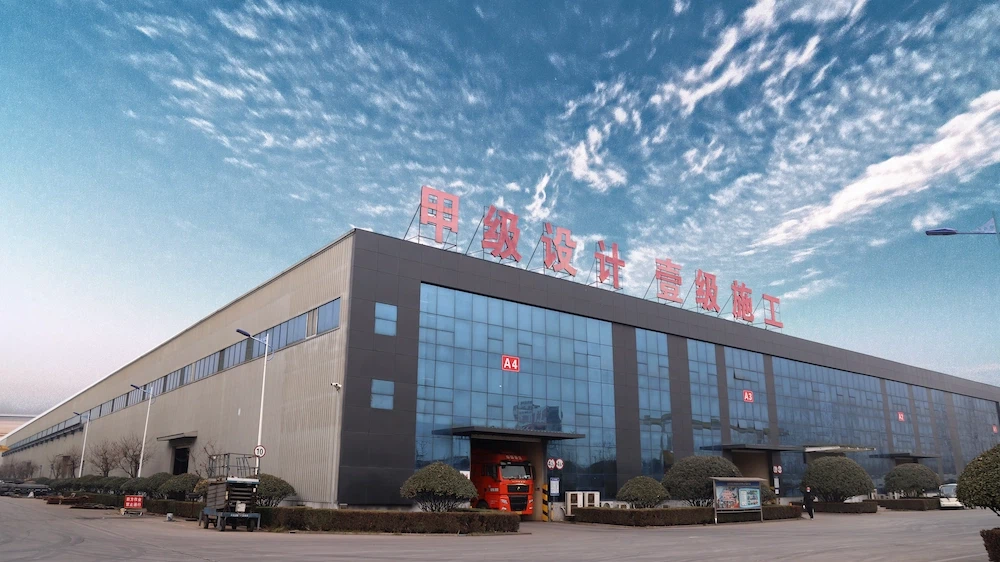


Curtain walls stand as a cornerstone in modern architectural design, offering both aesthetic appeal and functional advantages. As a dedicated curtain wall supplier, we have delved deep into the diverse world of curtain wall types, each with its own unique features, applications, and benefits. In this blog, we'll explore some of the most common types of curtain walls, providing you with a comprehensive understanding to aid in your architectural projects.
1. Masonry Curtain Walls
Masonry curtain walls are a classic choice that combines the timeless charm of traditional masonry with the practicality of a non - load - bearing exterior wall system. This type of curtain wall is typically constructed using bricks, stones, or concrete blocks. The materials are arranged in a pattern that can vary from simple running bonds to more complex herringbone or basketweave patterns, adding a rich visual texture to the building facade.
One of the key advantages of masonry curtain walls is their durability. Bricks and stones are known for their long - lasting nature, with the ability to withstand harsh weather conditions including high winds, heavy rain, and UV exposure. They also offer excellent fire resistance, providing an extra layer of safety for the building's occupants.
However, masonry curtain walls can be relatively heavy, which requires careful consideration during the design and construction phases. The building's structural frame must be able to support the additional load. Also, the installation process is labor - intensive and time - consuming, which may increase the overall cost of the project.
2. Glass Curtain Walls
Glass curtain walls have become synonymous with modern architecture, gracing the facades of skyscrapers, commercial buildings, and even some residential properties. They offer a sleek, transparent look that allows for maximum natural light penetration, creating a bright and airy interior environment.
There are two main types of glass curtain walls: stick - built and unitized. Stick - built glass curtain walls are assembled on - site, with individual glass panels and framing members installed piece by piece. This method offers more flexibility in terms of design and customization, as it can easily adapt to the unique shape and size requirements of a building.
Unitized glass curtain walls, on the other hand, are pre - fabricated in a factory and then transported to the construction site for installation. This results in faster construction times and higher quality control, as the units are assembled under controlled factory conditions.
Glass curtain walls provide excellent thermal insulation when using double - or triple - glazed glass, minimizing heat transfer and reducing energy consumption. They also enhance the visual connection between the interior and exterior of the building, offering stunning views to the occupants. However, glass can be prone to breakage, and special coatings or laminated glass are often required to improve safety.
3. Aluminum Panel Curtain Wall
Aluminum panel curtain walls are a popular choice due to their lightweight nature, durability, and versatility. Aluminum is a corrosion - resistant material, making it suitable for use in a wide range of climates. The panels can be easily fabricated into various shapes and sizes, allowing for creative and unique architectural designs.
The surface finish of aluminum panels can be customized to achieve different aesthetic effects. For example, powder - coating can provide a smooth, uniform color, while anodizing can create a natural - looking, durable finish. Aluminum panel curtain walls are relatively easy to install and maintain, which can result in cost savings over the long term.
In addition to their aesthetic appeal, aluminum panel curtain walls offer good thermal and acoustic insulation properties. They can also be designed to incorporate ventilation systems, improving the indoor air quality of the building. However, compared to some other materials, aluminum panels may have a higher initial cost.
4. Stone Curtain Walls
Stone curtain walls bring a touch of luxury and sophistication to any building. Natural stones such as granite, marble, and limestone are commonly used in stone curtain wall construction. These stones offer a unique and elegant appearance, with different colors, grains, and textures available.
Stone curtain walls are extremely durable and can last for centuries with proper maintenance. They have high compressive strength, making them resistant to damage from external forces. Stone also provides excellent thermal mass, which helps to regulate the indoor temperature by absorbing and releasing heat slowly.
However, like masonry curtain walls, stone curtain walls are heavy and require a strong structural support system. The cost of natural stone can be high, and sourcing large quantities of uniform - quality stone can sometimes be challenging. Additionally, stone is a porous material and may require regular sealing to prevent staining and water penetration.
5. Point - supported Curtain Wall
Point - supported curtain walls are a high - tech and visually striking option. In this system, glass panels are supported at discrete points rather than by a continuous frame around the edges. This creates a minimalist and transparent appearance, giving the impression that the glass is floating on the building facade.
The support points can be provided by various types of hardware, such as stainless - steel cables, rods, or brackets. Point - supported curtain walls offer maximum unobstructed views and a high degree of transparency, making them ideal for buildings where visual openness is a priority.
This type of curtain wall requires advanced engineering and precise installation to ensure its stability and safety. The glass used in point - supported curtain walls must be of high strength to withstand the concentrated loads at the support points. However, the unique design and aesthetic impact of point - supported curtain walls can significantly enhance the architectural value of a building.
6. Photovoltaic Curtain Wall
Photovoltaic (PV) curtain walls represent the future of green architecture. These curtain walls integrate photovoltaic cells into the building envelope, allowing the building to generate its own electricity from sunlight. PV curtain walls can be made from various materials, including glass, thin - film solar panels, and even some types of metal.
One of the main advantages of PV curtain walls is their ability to reduce a building's energy consumption and carbon footprint. By generating renewable energy on - site, they can help buildings achieve energy efficiency goals and contribute to a more sustainable future.


However, PV curtain walls can be more expensive than traditional curtain walls due to the cost of the photovoltaic technology. The efficiency of the PV cells can also be affected by factors such as weather conditions, orientation of the building, and shading. Despite these challenges, the long - term benefits of PV curtain walls in terms of energy savings and environmental impact make them an attractive option for eco - friendly building projects.
In conclusion, each type of curtain wall has its own set of advantages and considerations. As a curtain wall supplier, we are committed to providing the highest quality products and professional advice to help you select the most suitable curtain wall type for your specific project. Whether you are aiming for a traditional, modern, or sustainable design, we have the expertise and resources to meet your needs.
If you're interested in learning more about our curtain wall products or discussing your project requirements, please feel free to reach out to us. We look forward to the opportunity to work with you on creating a stunning and functional building facade.
References
- "Curtain Wall Design Guide" by the American Institute of Architects
- "Modern Building Envelope Design" by McGraw - Hill Education
- Industry reports and research from leading construction and architectural organizations